
Gaya Island
The largest island in the park, featuring extensive hiking trails through tropical rainforest and private beach resorts. It is home to diverse wildlife and mangroves.
Walk the nature trails early to spot proboscis monkeys.

Island hopping in Kota Kinabalu means navigating boat schedules, conservation fees and terminal logistics before you reach the coral reefs. This guide walks you through the departure process, payment structure and timing strategy for Tunku Abdul Rahman Marine Park's five islands.
Quick answer
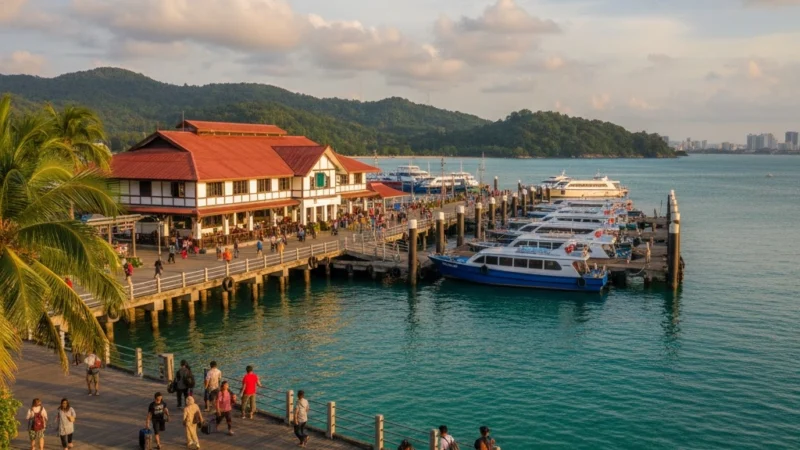
Island hopping in Kota Kinabalu begins at Jesselton Point Ferry Terminal, where you purchase boat tickets from competing operators and pay a 25 MYR conservation fee valid for all islands on the same day. Boats run daily from 08:00 to 17:00, with the last return typically around 16:00. Arriving between 08:00 and 10:00 gives you first choice of operators, calmer morning seas and enough daylight to visit two or three islands.
Tunku Abdul Rahman Marine Park sits three to eight kilometers offshore, close enough to see from the Kota Kinabalu waterfront but far enough that the water turns from silty green to reef-clear blue. The five islands—Gaya, Manukan, Sapi, Mamutik and Sulug—form a protected cluster where the ferries run on demand rather than fixed schedules, and where visitors assemble their own itinerary by negotiating with boat operators at the terminal each morning. How to go island hopping in Kota Kinabalu starts with understanding the payment structure. The conservation fee is fixed at 25 MYR per person and covers unlimited island access within a single day, paid at the terminal's main counter. Boat fares are separate and vary by operator, island and group size, typically quoted per boat rather than per passenger. Most operators require a minimum group or charge a solo surcharge, so budget travelers often wait at the terminal to join others heading to the same island. Weekend mornings see faster group formation. The terminal opens at 08:00, and the two-hour window until 10:00 is when most experienced visitors depart. Early boats avoid the afternoon chop that builds as trade winds strengthen, and morning light penetrates deeper into the shallows where the coral gardens and sea turtles congregate. Operators cluster near the jetty gates, each posting island destinations and departure times on hand-lettered boards. The return journey is equally informal—signal your boatman or walk to the island's departure jetty when you're ready to move on or head back to the mainland. Island hopping Kota Kinabalu style is less tour and more self-directed transit. No single operator controls the route, no fixed itinerary dictates your stops and no guide narrates the crossing. You choose the islands, negotiate the fare, decide how long to stay and catch the next available boat when you're done. The system rewards flexibility and morning momentum, penalizes late risers with crowded beaches and choppy crossings, and gives you as much or as little structure as you bring to the terminal.
“The five islands form a protected cluster where ferries run on demand rather than fixed schedules, and visitors assemble their own itinerary by negotiating with boat operators each morning.”
The best arrival window for visiting Tunku Abdul Rahman Marine Park is 08:00–10:00. Arriving during this period allows you to secure boat tickets, avoid peak afternoon crowds, and experience calmer morning sea conditions.
—
These hours offer the most space on the islands and shorter wait times for boat transfers.
Warm and dry, 27°C–32°C
This period typically sees the calmest seas, which is advantageous for snorkeling and boat travel.
Humid with occasional rain, 26°C–31°C
Expect higher visitor numbers during these months due to international and local school holiday patterns.
Increased rainfall, 25°C–30°C
While temperatures remain high, this season brings frequent afternoon showers that may affect outdoor activities.
Verdict: The most effective strategy is to visit on a weekday between March and May, arriving between 08:00 and 10:00 to maximize your time before afternoon weather shifts.
Island hopping from Kota Kinabalu follows a straightforward terminal-based system. The entire process from arrival to departure takes 30–45 minutes during off-peak hours.
Head to Jesselton Point Ferry Terminal on Jalan Haji Saman. The terminal opens at 08:00, and arriving within the first two hours ensures availability on your preferred boat and avoids the midday rush.
Pay the 25 MYR conservation fee at the ticket counter inside the terminal. This single fee covers access to all five islands for the entire day, so keep your receipt if you plan to visit multiple islands.
Select from the boat operators at their counters along the terminal hall. Specify which islands you want to visit and whether you need a return pickup time—most visitors book a morning departure and arrange collection 3–4 hours later.
Proceed to the designated jetty number displayed on your boat ticket. Boats depart when full or at scheduled intervals, typically every 20–30 minutes during morning hours.
All island-hopping departures for Tunku Abdul Rahman Marine Park operate from Jesselton Point Ferry Terminal, located at Jalan Haji Saman, 88000 Kota Kinabalu, Sabah, Malaysia. This terminal serves as the central hub for all licensed boat operators heading to the park's islands.
Direct to Jesselton Point Ferry Terminal
Drive to Jalan Haji Saman
Walk via Jalan Haji Saman
The best arrival window is 08:00–10:00. Arrive early to secure boat tickets, avoid peak afternoon crowds, and enjoy calmer morning seas.
Tunku Abdul Rahman Marine Park is open daily to facilitate island hopping activities throughout the week.
Tunku Abdul Rahman Marine Park comprises five distinct islands, each offering unique environments ranging from dense jungle trails to quiet coral reefs. These islands provide varied settings for visitors to explore within the marine park.
The largest island in the park, featuring extensive hiking trails through tropical rainforest and private beach resorts. It is home to diverse wildlife and mangroves.
Walk the nature trails early to spot proboscis monkeys.
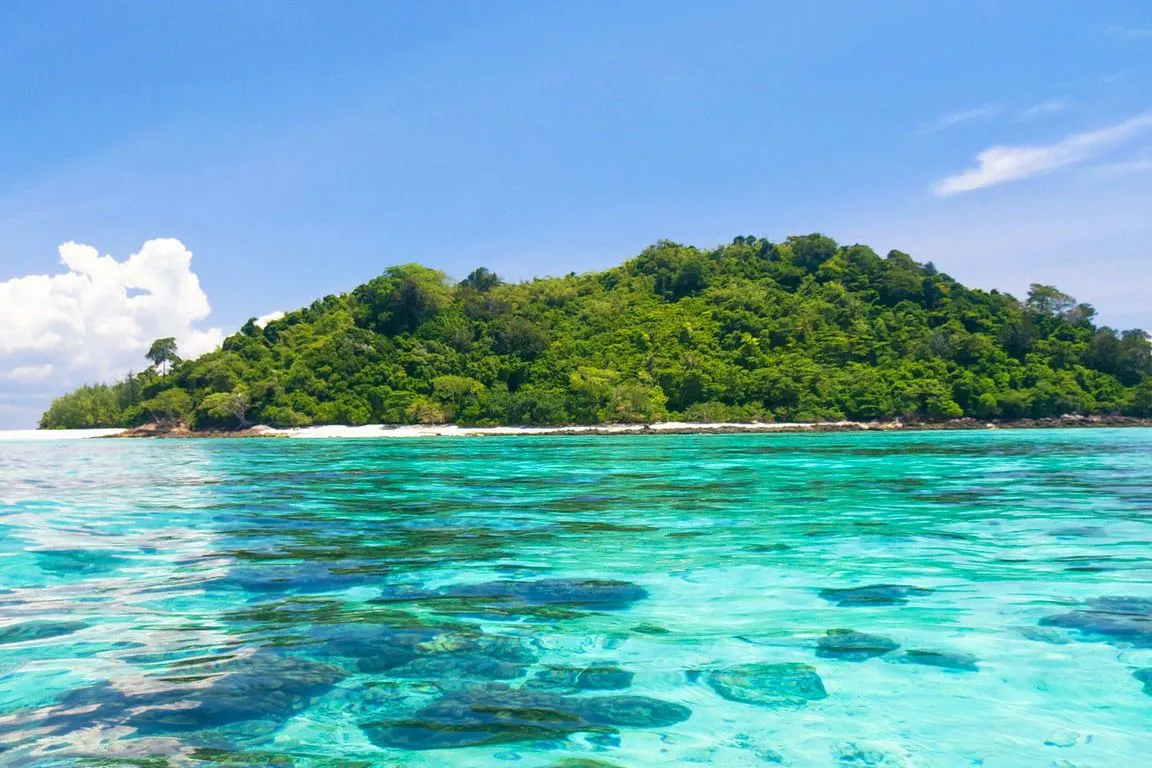
A popular destination known for its clear waters and accessible coral reefs, making it a frequent choice for snorkeling. It features a compact beach area with basic facilities.
Visit during the morning to find the best snorkeling spots.
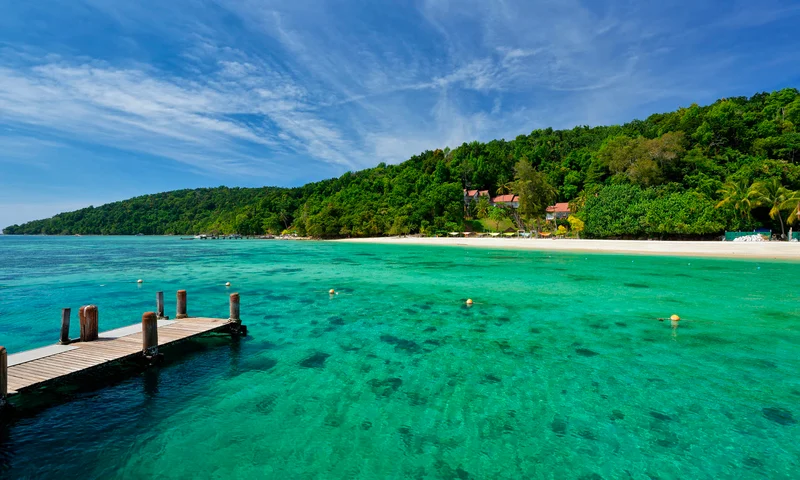
The most developed island, offering a variety of amenities, dining options, and a long stretch of sandy beach. It is well-suited for families and visitors seeking convenience.
Stay on the eastern beach to avoid the primary ferry crowds.
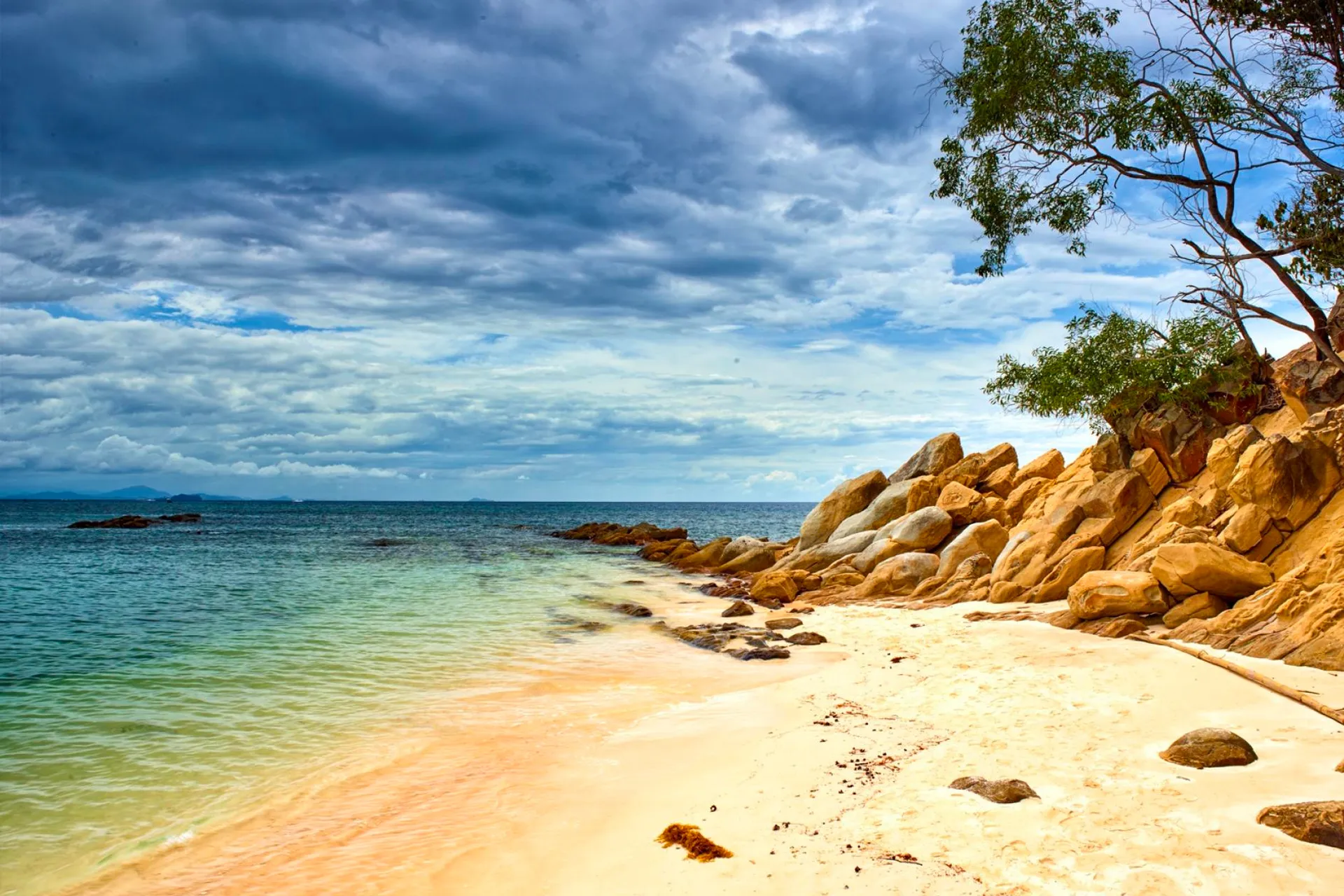
The smallest of the five islands, providing a quieter atmosphere and a more secluded experience for beachgoers. It is often preferred by those seeking a peaceful swimming environment.
Bring your own gear as rental options are limited here.
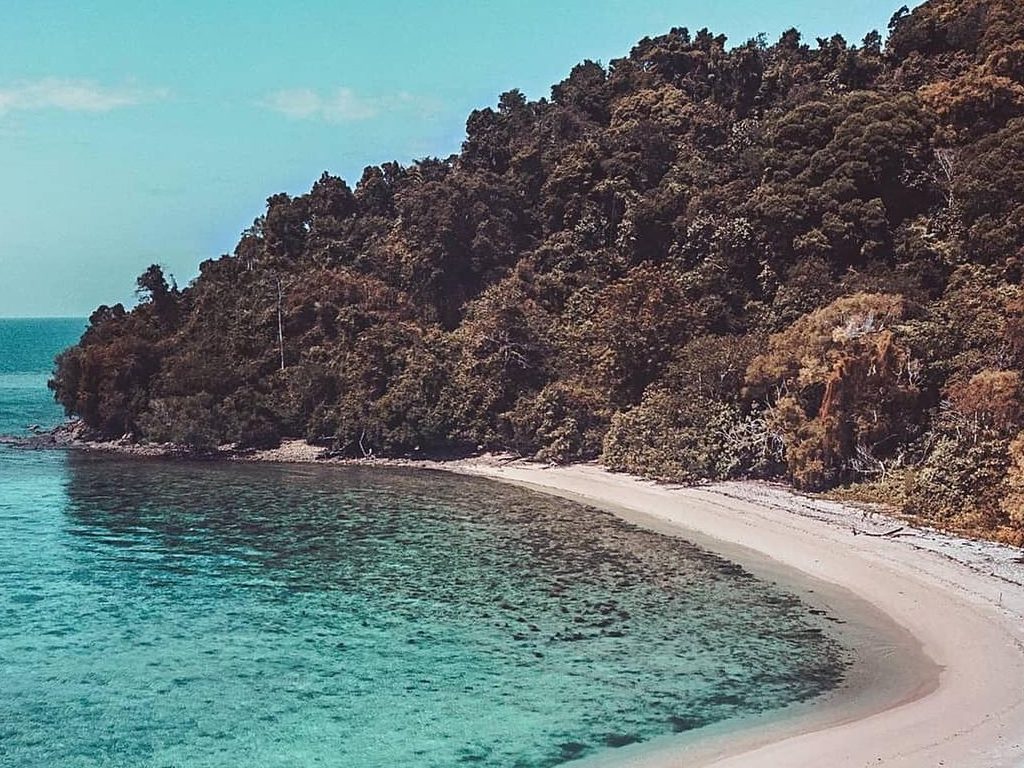
The most remote and least developed island, characterized by its rocky coastline and peaceful, untouched environment. It is ideal for visitors looking to avoid busier tourist areas.
Take a private boat charter to reach this isolated island.
Bring these essentials to make your island-hopping trip smooth and safe.
Everything you need to know about how to go island hopping in kota kinabalu
To learn how to go island hopping in Kota Kinabalu, you should head to the Jesselton Point Ferry Terminal to purchase boat tickets. From there, public ferry operators facilitate transfers to the various islands within the marine park. It is a straightforward process that allows you to explore the local archipelago at your own pace. Visitors often ask how to go island hopping in Kota Kinabalu because of the various speed boat options available at the jetty. For the best experience, arrive between 08:00 and 10:00 to secure your tickets and avoid afternoon crowds. This window also ensures you can enjoy calmer morning seas during your transit. The park entrance fee is 25 MYR per person, which serves as a conservation fee valid for all islands visited on the same day. You will typically pay this at the terminal or the jetty counter before boarding your boat. If you are wondering how to go island hopping in Kota Kinabalu, simply approach the counters at the Jesselton Point Ferry Terminal. Staff will assist you with boat schedules to islands like Sapi, Manukan, or Mamutik. Yes, your boat ticket allows you to visit multiple islands throughout the day by coordinating pick-up times with your boat operator. You simply inform the captain of your next destination to complete your island circuit. The ferry terminal and park facilities are open daily from 08:00–17:00. This schedule remains consistent throughout the week, including weekends and public holidays. Ensure you bring sun protection, swimwear, and enough water for your stay, as facilities vary by island. Pack your gear in a dry bag to keep your belongings safe during the water transfers. A common mistake is arriving too late in the afternoon, which limits your time on the beaches. Aim to depart early to make the most of the marine biodiversity and clear visibility in the morning.
Island Hopping Packages & Pricing
Read more GuideBest Islands Near Kota Kinabalu
Read more GuideDay Trip Island Hopping Itineraries
Read more GuideCustomer Reviews & Photos
Read more GuideIsland Hopping Schedule & Jetty Info
Read more Tickets & toursPrivate Island Hopping Tours
Read more